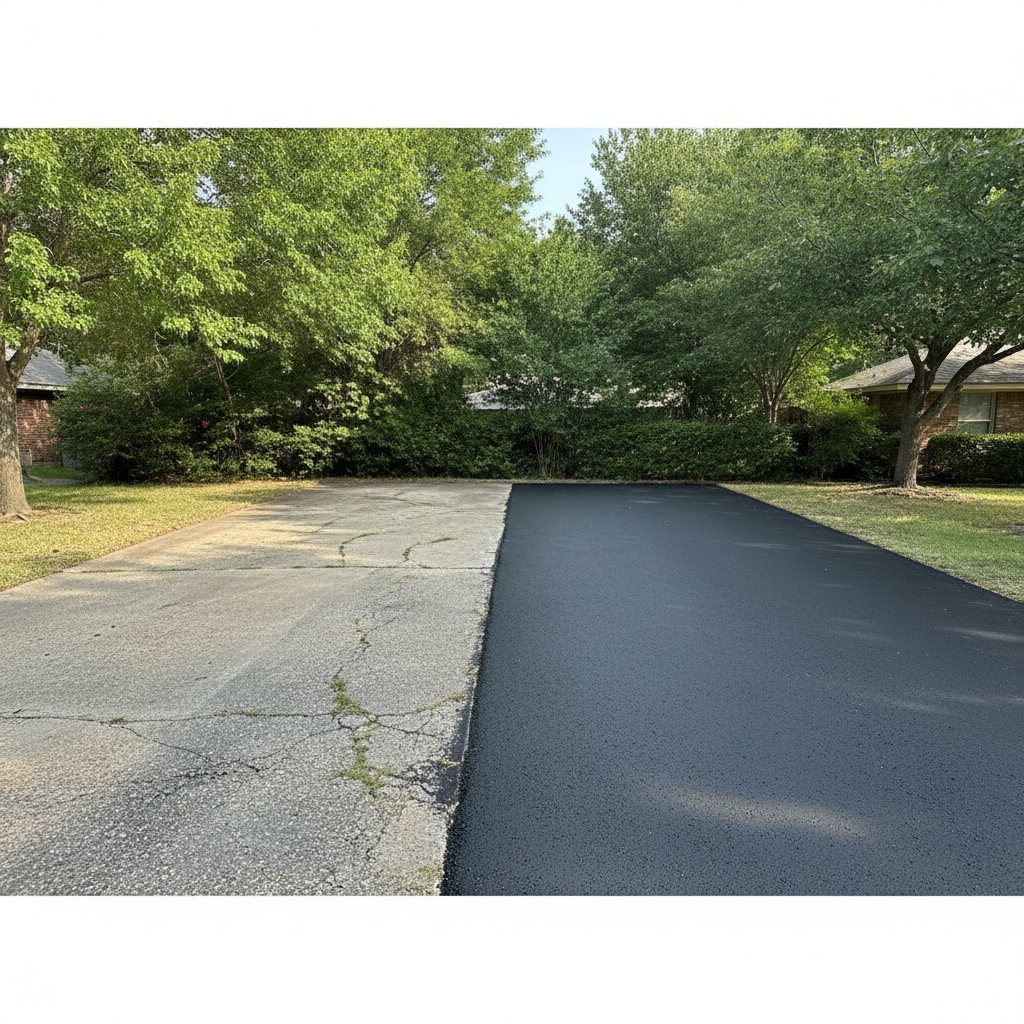
Alright, let's talk parking lots. If you're a Dallas homeowner with a decent-sized property – maybe you've got a guest house, a workshop, or just need more space than a typical driveway – you're probably thinking about paving. And the big question always comes down to this: asphalt or concrete? I've seen both installed, maintained, and fall apart all over North Texas, so I can tell you what I know.
Initial Cost: Where Your Wallet Feels It First
Let's be real, cost is usually the first thing folks ask about. Generally speaking, asphalt is almost always cheaper to install upfront than concrete. We're talking a significant difference per square foot, sometimes 30-50% less. Why? The materials themselves are less expensive, and the installation process for asphalt can be quicker, requiring less specialized labor and curing time. If you're on a tight budget and need a large area paved, asphalt's going to look a lot more attractive right out of the gate, no doubt about it.
Concrete, on the other hand, is a more involved process. The materials cost more, and it takes more time and specialized skill to pour, finish, and cure correctly. You can't just drive on it the next day like you can with asphalt. But don't let that sticker shock scare you away completely; there's more to the story than just the initial price tag.
Durability & Lifespan: Built to Last (or Not)
This is where things get interesting, especially here in Dallas. Concrete is generally considered more durable and has a longer lifespan than asphalt. A well-installed concrete parking lot can last 30-40 years, sometimes even longer, with proper care. It stands up better to heavy loads, chemical spills (like oil or gas), and doesn't soften in our brutal Texas summer heat. You won't see concrete rutting or pushing under heavy traffic like asphalt can.
Asphalt, while tough, typically has a shorter lifespan. Usually, it's 15-20 years before it needs a major overhaul or replacement. It's more flexible, which can be a good thing when the ground shifts (and trust me, our expansive clay soils here in Dallas mean the ground shifts a lot!). But it's also more susceptible to cracking from temperature extremes and UV damage. Those hot Dallas summers? They can really bake the oils right out of asphalt, making it brittle and prone to cracking if it's not sealed regularly.
Maintenance: The Ongoing Commitment
This is where the true cost of ownership often reveals itself. Concrete is pretty low maintenance. You'll want to clean it periodically, maybe seal it every few years to protect against stains and moisture, and promptly repair any cracks that form to prevent them from getting worse. But generally, it's a "set it and forget it" kind of deal for long stretches.
Asphalt, however, demands more attention. To get that 15-20 year lifespan, you absolutely have to sealcoat it. I tell all my clients at All Things Asphalt Paving that sealcoating every 2-3 years isn't just a suggestion; it's essential maintenance. It protects the surface from UV rays, water penetration, and replenishes those vital oils. You'll also need to fill cracks and repair potholes as they appear. If you neglect asphalt maintenance, its lifespan will drop dramatically, and you'll be looking at costly repairs or replacement much sooner. It really makes a difference.
Appearance & Aesthetics: What Look Are You Going For?
Let's talk curb appeal. Concrete offers a bright, clean, and often more formal look. You can get it stamped, colored, or finished in various ways to achieve a specific aesthetic. It tends to reflect light, which can be a plus for visibility at night.
Asphalt has that classic dark, smooth appearance. It absorbs heat, which can be a downside in the summer, but it also melts ice and snow quicker in the rare winter event. It's generally a more utilitarian look, though a freshly sealcoated asphalt lot looks sharp and professional. It's a good choice if you want something that blends in without drawing too much attention.
My Recommendation for Dallas Homeowners
Given our specific conditions here in Dallas – the scorching summers, the occasional hard freezes, and especially that reactive clay soil – my recommendation for a homeowner putting in a new parking lot leans towards… well, it depends on your priorities, but with a slight edge to concrete for long-term value, if your budget allows for the upfront cost.
If you're looking for the absolute lowest upfront cost and don't mind committing to regular sealcoating and crack filling, asphalt is a perfectly fine choice. It's flexible, which helps with our shifting soils, and it can look great with proper maintenance. Just be prepared to put in the work or pay a contractor like us every couple of years.
However, if you can swing the higher initial investment, concrete will likely give you less headache and lower maintenance costs over its much longer lifespan. It handles our heat better, resists spills, and generally requires less hands-on care. For a homeowner who wants to pave it and largely forget it for decades, concrete often wins out in the long run. You're paying more upfront for durability, plain and simple.
Ultimately, both are viable options. Think about your budget, how much maintenance you're willing to do, and how long you plan to stay in your home. That'll usually tell you which way to go.